
How to Balance Year 11 With Sport, Work and Other Commitments
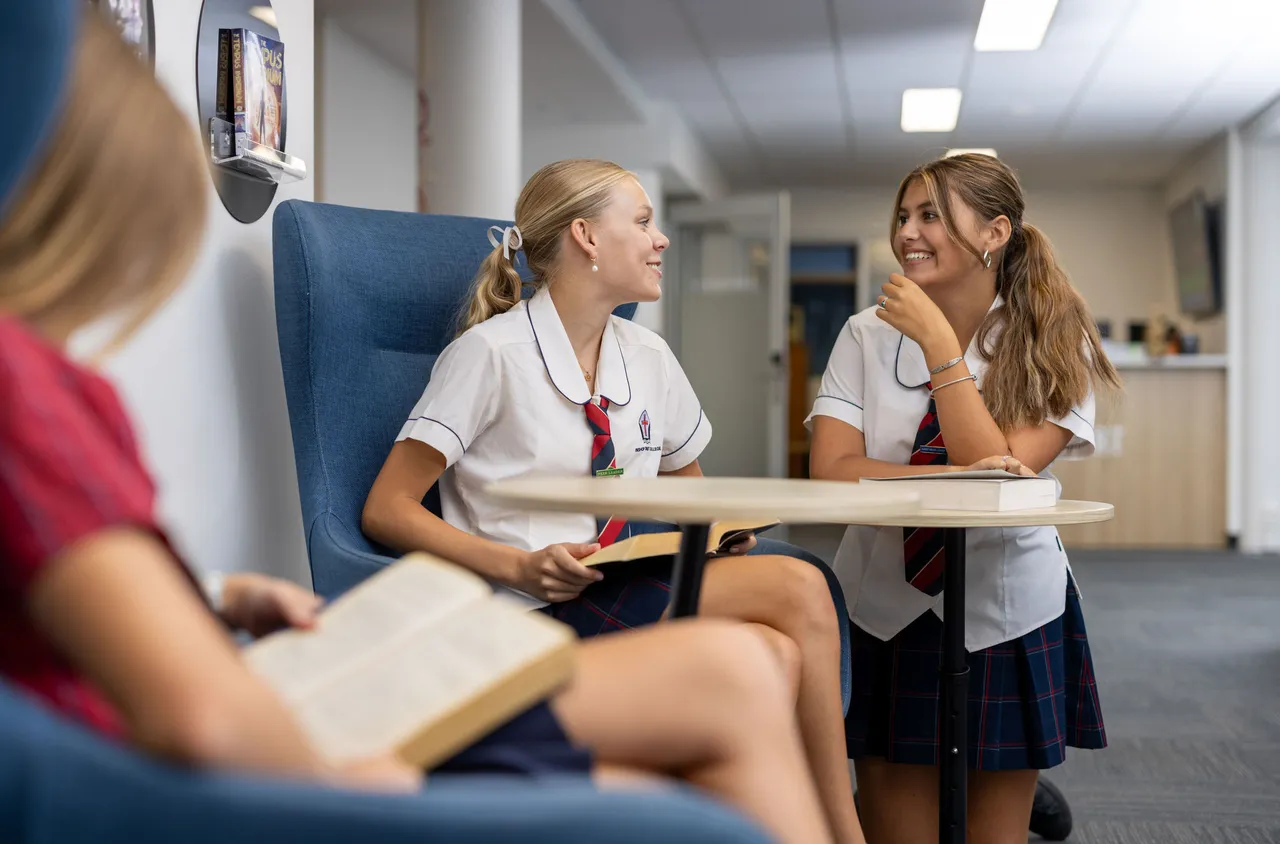
Starting Year 11 is an important milestone. Students begin senior secondary school with greater academic responsibility, more specialised subjects and a stronger focus on preparing for the Higher School Certificate (HSC).
At the same time, many Year 11 students have commitments outside the classroom. These may include elite sport, performing arts, part-time work, family responsibilities, community activities or other interests.
Balancing these responsibilities can be challenging, but it is also an opportunity for students to develop valuable skills in organisation, independence and time management.
At Bishop Druitt College, students are supported throughout their senior school journey as they develop the skills and confidence needed to manage their academic responsibilities alongside their individual interests and commitments.
Why Balancing Year 11 Can Be Challenging
The transition into Year 11 often involves a noticeable increase in responsibility.
Students may need to manage:
- Multiple subjects
- Assessments and deadlines
- Study and homework
- Sporting commitments
- Part-time employment
- Performing arts
- Social activities
- Family responsibilities
For Year 11 students, the challenge is not necessarily about eliminating activities. Instead, it is about learning how to manage competing priorities effectively.
This is an important skill that can continue to benefit students throughout Year 12, further education and future employment.
Year 11 Students and Elite Sport
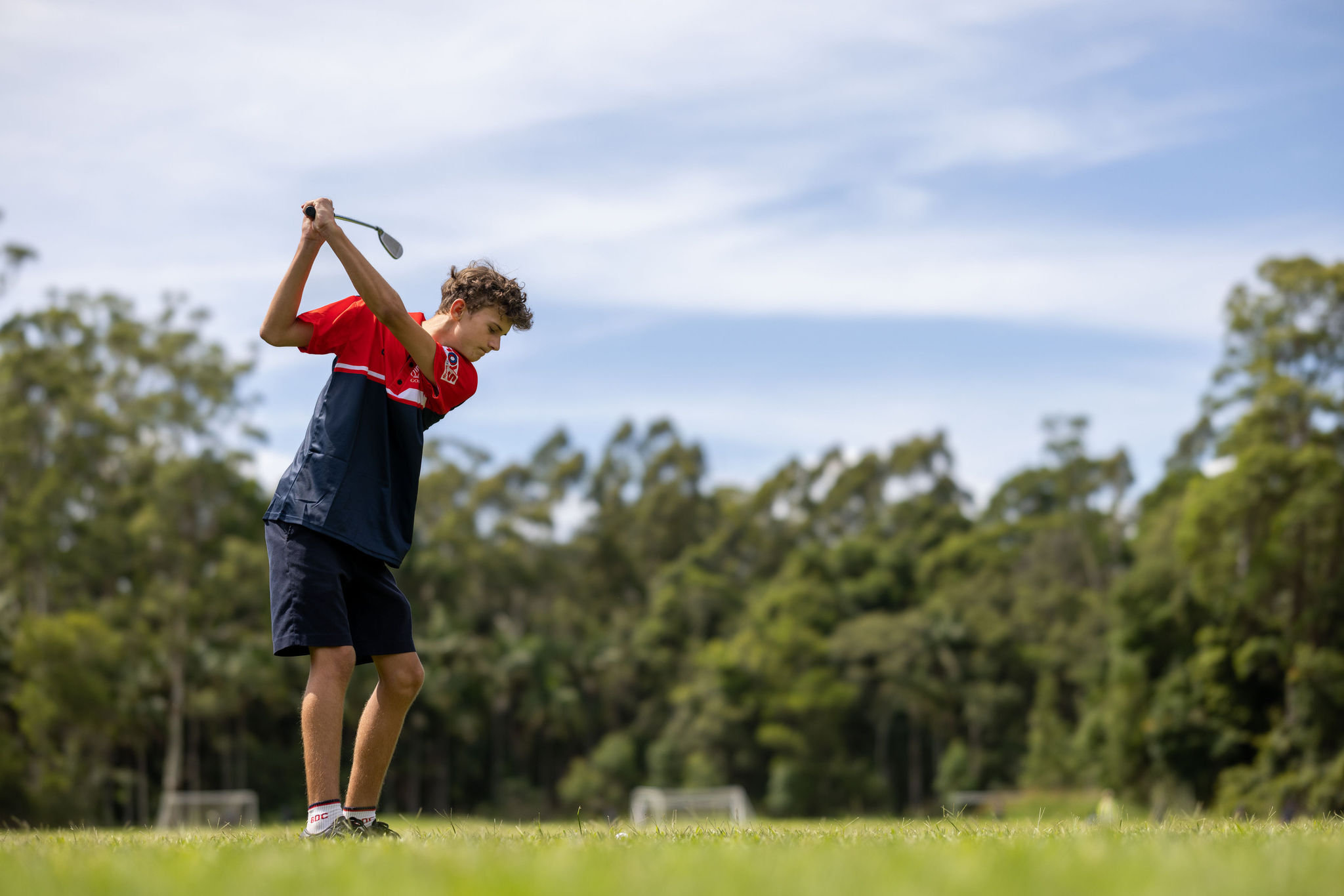
Some students enter Year 11 while continuing to train and compete at a high level.
Sporting commitments can involve:
- Regular training sessions
- Competitions
- Travel
- Sporting camps
- Representative programs
- Recovery time
These commitments can make a traditional school timetable difficult to manage.
Students need to consider how they can maintain consistent academic progress while meeting their sporting responsibilities.
Planning ahead is particularly important during periods when competitions or training commitments increase.
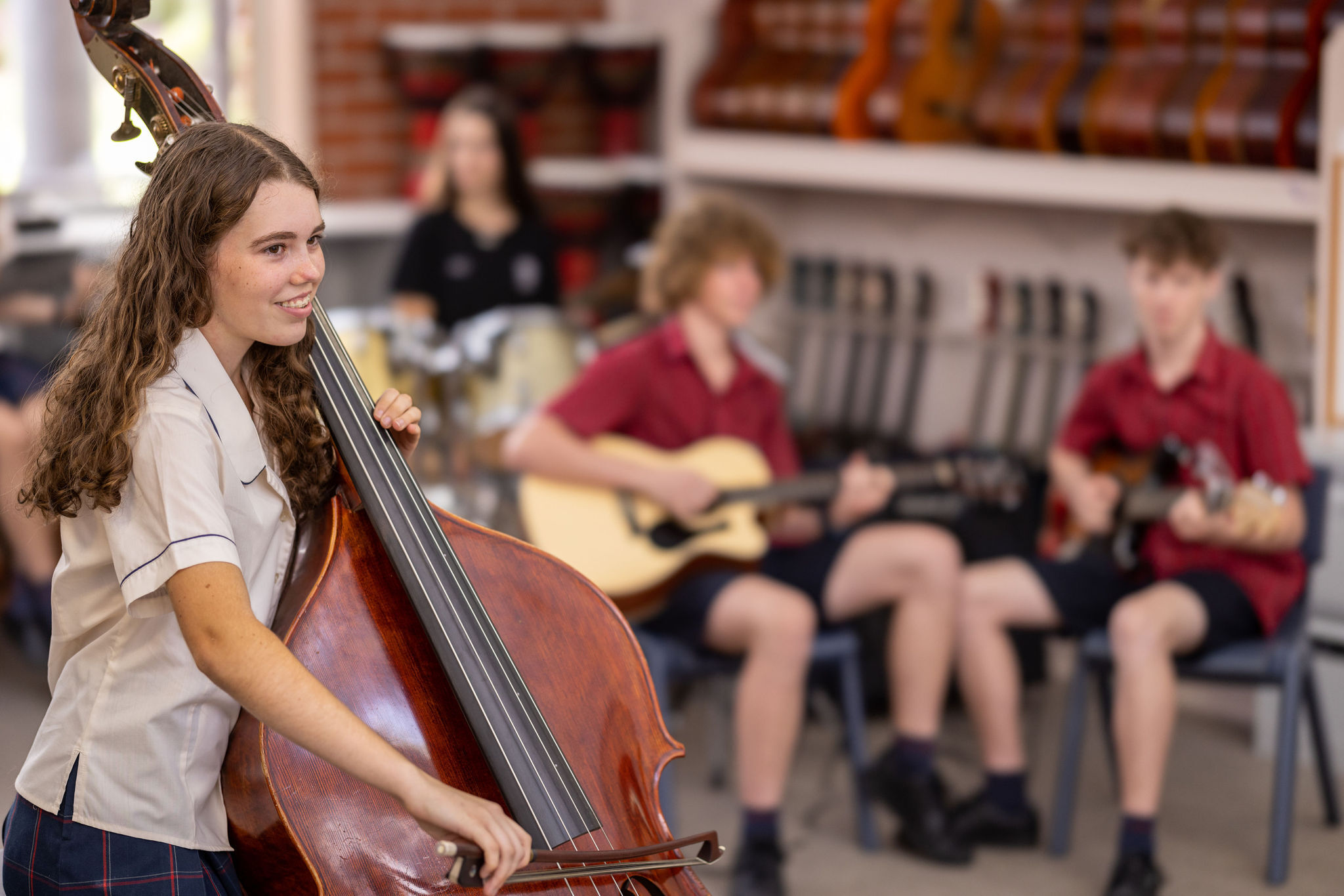
Balancing Year 11 With Performing Arts
Sport is not the only commitment that can create a demanding schedule.
Students involved in performing arts may have:
- Rehearsals
- Performances
- Auditions
- Lessons
- Workshops
- Travel
Dance, music and theatre can require significant time and dedication.
For these Year 11 students, developing an organised approach to schoolwork can help them continue pursuing their creative interests without losing sight of their academic responsibilities.
Part-Time Work During Year 11
Some students also choose to work part-time while completing senior school.
A part-time job can help students develop useful skills such as:
- Communication
- Responsibility
- Organisation
- Teamwork
- Time management
However, students need to consider whether their working hours leave enough time for study, rest and other commitments.
The HSC journey requires consistent effort, so maintaining a manageable balance is important.
Create a Realistic Weekly Schedule
One of the most effective ways for Year 11 students to manage competing commitments is to create a weekly schedule.
Start by recording fixed commitments such as:
- School lessons
- Training
- Work shifts
- Rehearsals
- Family commitments
Then identify available periods for:
- Homework
- Assessment preparation
- Revision
- Exercise
- Rest
- Social activities
A realistic schedule should not fill every available hour.
Students need time to rest and recharge as well.
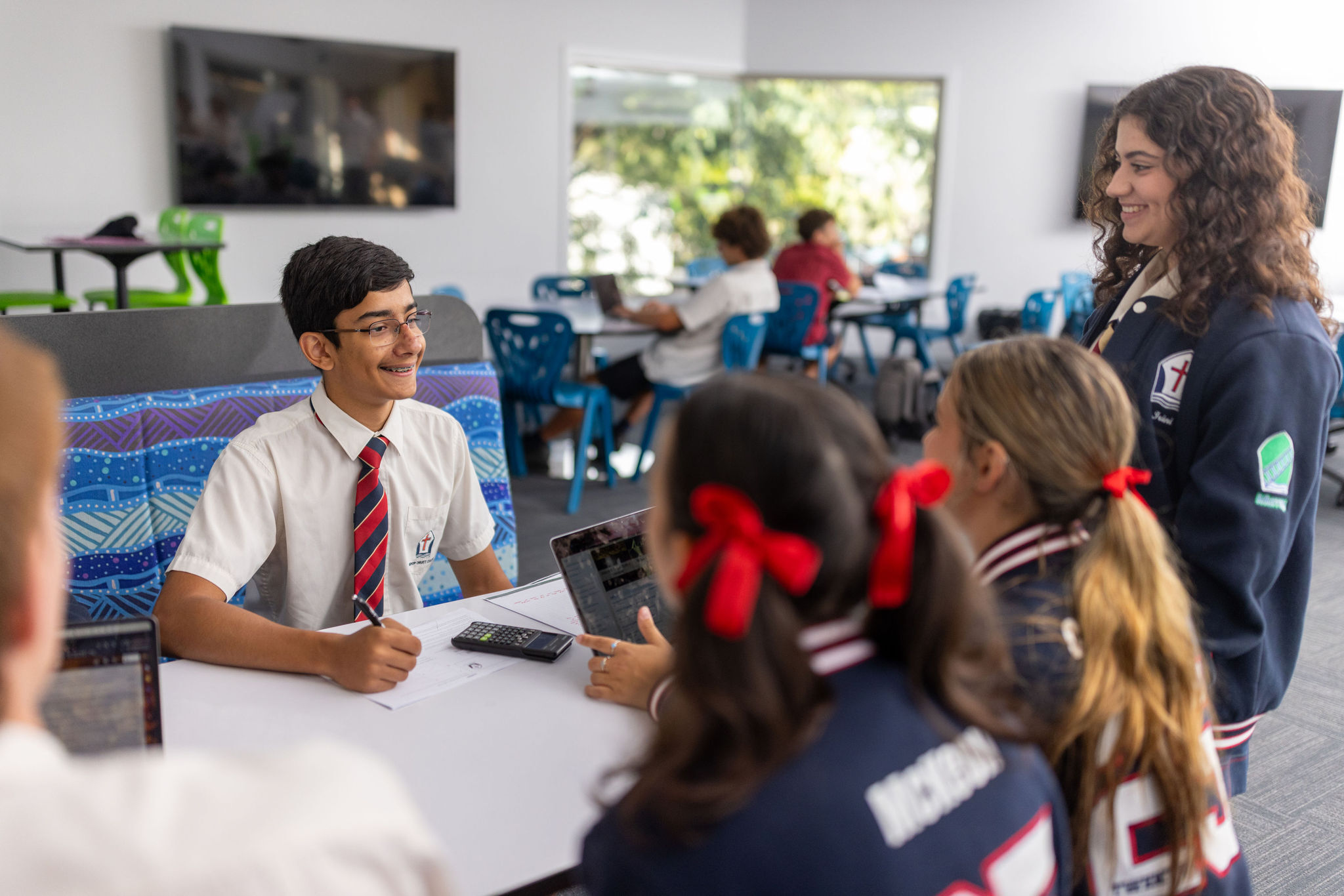
Prioritise Important Tasks
Not every task has the same level of urgency.
Students can divide their responsibilities into categories such as:
High Priority
Assessment deadlines, examinations and major school tasks.
Regular Priority
Homework, reading and ongoing study.
Flexible Activities
Social activities and other commitments that can potentially be moved when necessary.
Learning to identify priorities helps Year 11 students avoid becoming overwhelmed when several deadlines occur at the same time.
Don't Leave Assessments Until the Last Minute
One of the most useful habits students can develop in Year 11 is starting assessment tasks early.
Instead of viewing an assessment as one large task, break it into smaller stages.
For example:
Week 1: Understand the task and research.
Week 2: Develop ideas and create an outline.
Week 3: Complete the first draft.
Week 4: Review, edit and prepare the final submission.
Breaking assignments into smaller steps makes deadlines more manageable and reduces last-minute pressure.
Use Short, Focused Study Sessions
Students do not necessarily need to spend hours studying every evening.
Short, focused study sessions can help maintain consistent progress.
For example, a student might dedicate a specific period to:
- Reviewing class notes
- Completing homework
- Revising key concepts
- Preparing for an upcoming assessment
The important thing is consistency.
For busy Year 11 students, regular study can be more manageable than trying to complete large amounts of work at once.
Learn to Communicate With Teachers
Students balancing sport, work or other significant commitments should communicate with their teachers.
If a student has an important competition, performance or work commitment approaching, discussing upcoming academic requirements early can help them plan effectively.
As students progress through senior school, they also become increasingly responsible for communicating their needs and asking for assistance.
This is an important part of becoming an independent learner.
Make Time for Sleep and Wellbeing
Academic success should not come at the expense of wellbeing.
Busy Year 11 students need enough time for:
- Sleep
- Meals
- Exercise
- Relaxation
- Family
- Friends
- Personal interests
Trying to maintain an unrealistic schedule can eventually lead to exhaustion and reduced motivation.
A balanced routine helps students remain focused and engaged over the longer term.
Know When to Adjust Your Schedule
A weekly schedule does not need to remain exactly the same throughout the year.
Some periods will be busier than others.
For example, a student may have:
- Several assessments in one week
- A major sporting competition
- An important performance
- Additional work shifts
- Examination preparation
During particularly busy periods, students may need to temporarily reduce less important activities and focus on their most immediate priorities.
Once the busy period has passed, they can return to their normal routine.
Developing Independence in Year 11
One of the biggest changes in senior school is the increasing independence expected from students.
Year 11 students begin taking greater ownership of:
- Their learning
- Study routines
- Assessments
- Deadlines
- Personal goals
- Future pathways
Learning how to balance different responsibilities is therefore part of the broader Year 11 experience.
These skills can help students prepare not only for the HSC but also for university, vocational education, employment and life beyond school.
Parents Can Help Without Taking Over
Parents can play an important role in helping students manage competing commitments.
Useful support can include:
- Discussing weekly schedules
- Helping students identify priorities
- Encouraging healthy routines
- Talking about workload
- Encouraging students to communicate with teachers
However, Year 11 is also a time for students to develop independence.
Parents can gradually encourage students to take ownership of their schedules and decisions rather than managing everything for them.
When Flexibility Matters
For some students, balancing school with sport, work or other significant commitments can make a traditional school structure challenging.
This is one reason families may explore flexible schooling options.
BDC Horizon Online provides a flexible online learning pathway for students who need an alternative approach to traditional schooling.
This can be particularly relevant for students whose education needs to work alongside other significant commitments.
How BDC Supports Students With Different Goals
At Bishop Druitt College, senior school is about supporting students academically while also recognising that students have different interests, strengths and goals.
Students may pursue:
- Academic pathways
- Elite sport
- Performing arts
- Community activities
- Employment
- Further education
The right learning environment can help students develop the confidence and independence needed to manage these different areas of their lives.

A Simple Balance Checklist for Year 11 Students
Before committing to a busy schedule, ask:
Do I know my priorities?
Identify what must be completed and what can be flexible.
Have I planned my week?
Put school, sport, work and other fixed commitments into one calendar.
Do I have enough study time?
Make sure assessments and regular schoolwork have dedicated time.
Am I getting enough rest?
A successful schedule needs time for sleep and recovery.
Have I allowed for unexpected changes?
Leave some flexibility rather than planning every minute.
Do I know when to ask for help?
Speak with teachers, parents or appropriate school staff if your workload becomes difficult to manage.
Frequently Asked Questions
Can Year 11 students balance school with elite sport?
Yes. Many students balance senior school with demanding sporting commitments. Planning, communication and effective time management can help students manage both areas.
Can students work part-time during Year 11?
Some students choose to work part-time while completing Year 11. Students should carefully consider their available time and ensure they can continue meeting their academic responsibilities.
How can Year 11 students manage multiple commitments?
Creating a realistic weekly schedule, prioritising important tasks, starting assessments early and communicating with teachers can help students manage competing responsibilities.
How much study should Year 11 students do?
The amount of study required varies between students and subjects. The focus should be on developing a consistent routine that allows students to complete their learning and assessment requirements while maintaining wellbeing.
What should students do if their schedule becomes too busy?
Students should review their priorities, adjust less important commitments where possible and communicate with parents and teachers about the situation.
Can flexible online schooling help students with busy schedules?
Flexible online schooling may be an option for students whose sporting, performing arts, travel or other commitments make a traditional school timetable difficult to manage. BDC Horizon Online provides an alternative online learning pathway for students in Years 7–12.
Final Thoughts
Learning to balance Year 11 with sport, work and other commitments is an important part of becoming an independent learner.
The goal is not to remove everything outside school. Instead, students can learn how to organise their time, prioritise responsibilities and recognise when they need support.
For Year 11 students, these skills can be just as valuable as the academic knowledge they develop during senior school.
With thoughtful planning, open communication and a supportive learning environment, students can work towards their HSC goals while continuing to pursue the activities and interests that matter to them.
At Bishop Druitt College, students are encouraged to develop academically, personally and independently as they prepare for the opportunities that come after school.

As we all gather and stand upon Country, may we acknowledge and respect Gumbaynggirr Land and the thousands of years’ worth of both physical and spiritual connection to Country, culture and teachings embedded forever within these Lands.