Our Kids Are All Right | Bishop Druitt College Perspective on Youth Wellbeing

By Simon Doyle, Principal
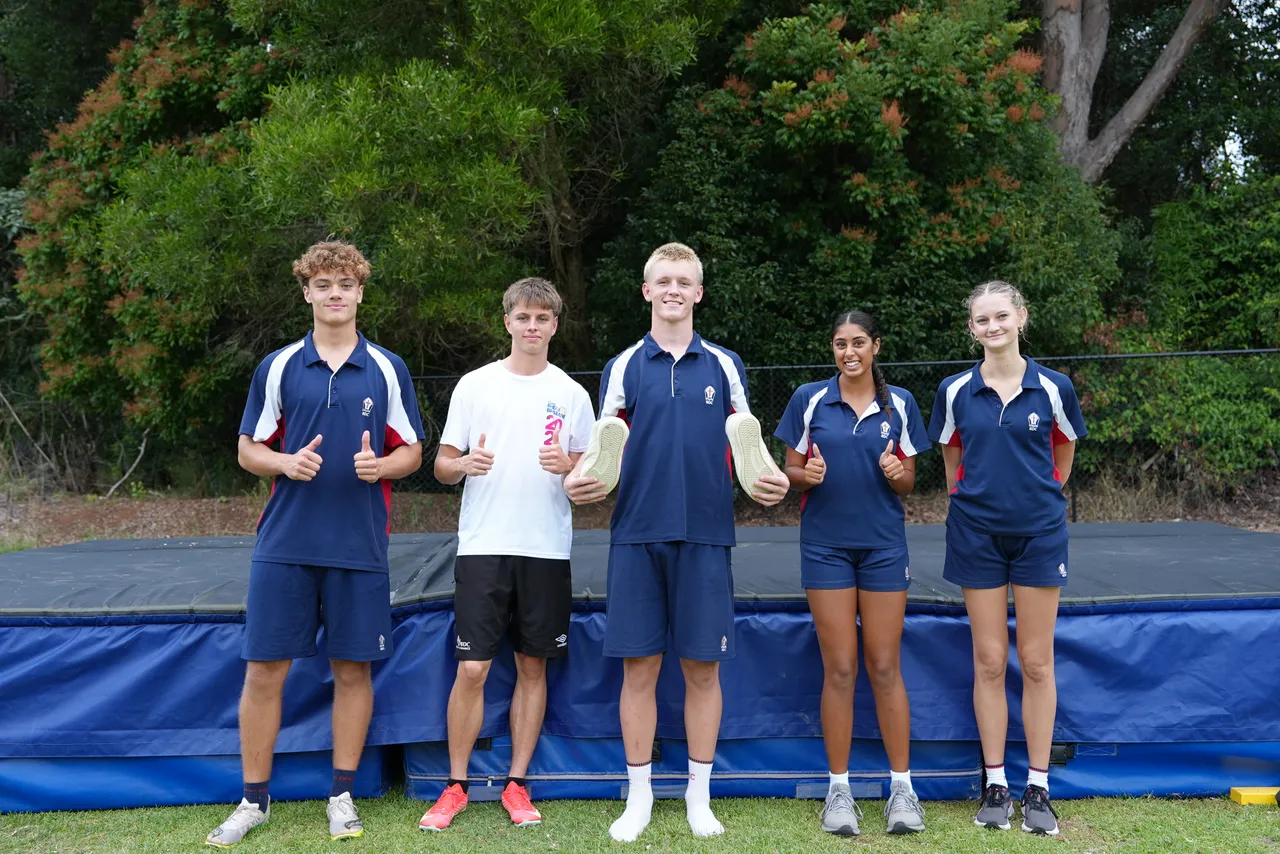
On any given day in our school playground, you will find a Year 8 or Year 9 student using the Wellbeing Hub, checking in with a teacher, or finding a quiet space. Sometimes they simply need five minutes to gather their thoughts, be heard, or seek support. These self-aware behaviours rarely attract attention, yet instead of escalating emotions or conflict, students are choosing conversation, reflection, and space to regulate themselves, repair relationships, and navigate a busy day.
If you ask many adults how young Australians are doing, however, you may hear concerns about excessive time online, anxiety, or poor work ethic. The reality is far more complex than these common narratives. Across K–12 education, embedding pastoral care and wellbeing practices remains a priority, and schools continue partnering with families to help students learn to self-regulate and seek support when needed. These are skills many adults still find difficult themselves.
Families can assist this development at home through clear routines, expectations, and allowing children time to think before difficult conversations. Adults often do their best thinking while walking the dog, exercising, or surfing. Young people can also benefit from having space to process emotions before discussing important issues, provided they know the conversation will still happen.
Service and generosity are also clearly visible in young people’s actions. Current service projects at BDC involving Year 6 to 8 students include creating art packs for students attending an underground school in Ukraine and collecting donations for the local RSPCA. Year 9 students recently completed a used uniform drive supporting Warrina Women and Children’s Refuge and The Soupie. These projects reflect a growing awareness of both local and global needs. Far from being self-absorbed, many young Australians care deeply about the world around them. They are often more accepting of cultural diversity, supportive of gender equality, and committed to environmental responsibility than previous generations.
One of the clearest positive trends is in risk-taking behaviour. Data from the Australian Bureau of Statistics (ABS) and the Australian Institute of Health and Welfare (AIHW) show long-term declines in smoking, alcohol consumption, and illicit drug use among young Australians. Daily smoking rates have fallen dramatically over the past two decades (ABS, 2022), while alcohol consumption among teenagers has declined significantly, with more young people choosing not to drink at all (AIHW, National Drug Strategy Household Survey 2022). These are not small changes. They represent population-level behavioural shifts, suggesting young Australians are making safer and more considered choices than previous generations.
The AIHW also reports that most young Australians rate their health as “excellent” or “very good” (AIHW, 2023), although challenges in mental health and relationships remain significant. The Black Dog Institute suggests increased reporting of mental health concerns is partly due to greater awareness, reduced stigma, and improved screening. Young people are increasingly willing to seek help.
Life in 2026 is complex and fast-paced. Family values, community connection, health behaviours, social values, and educational engagement all require active involvement from adults. While mental health challenges remain serious, particularly in regional areas such as the Coffs Coast, where demand exceeds available services, many young people are developing the adaptability and empathy needed for a changing world. Careers that barely existed 10 years ago — including sustainability managers, blockchain engineers, and rideshare drivers — now require communication, collaboration, critical thinking, and the courage to ask for help.
The real story is slowly unfolding. Young Australians are talking more openly about wellbeing, caring deeply about social issues, embracing diversity, and supporting one another. From what we see every day, our kids are often doing better than the headlines suggest. Our kids are turning out all right.
As we all gather and stand upon Country, may we acknowledge and respect Gumbaynggirr Land and the thousands of years’ worth of both physical and spiritual connection to Country, culture and teachings embedded forever within these Lands.