
Why Play, Friendships and Early Experiences Matter Before Starting Kindergarten
Starting Kindergarten Is About More Than the First Day
Starting Kindergarten is a major milestone for children and their families. It brings new routines, new teachers, new environments, and, for many children, their first experience of being part of a larger school community.
While parents often focus on important practical preparation, like uniforms, lunchboxes, and school supplies, the social and emotional experiences children have before their first term play a vital role in helping them feel secure and confident.
Play, early friendships, and positive interactions help young children feel comfortable around others, navigate new settings, and build a genuine sense of belonging. Research in early childhood development consistently shows that a smooth transition to school lays the foundation for ongoing academic and social success, helping children settle into routines and form positive relationships early on.
For families preparing for Kindergarten, school readiness isn't about pushing academic benchmarks before day one. Instead, it’s about offering opportunities to explore, play, connect, and gradually feel at home with the idea of school.
At Bishop Druitt College, this journey begins well before children step into the Kindergarten classroom through tailored experiences like BDC Playgroup, Kindy Pop-In Days, and structured orientation events.
Why Play Matters Before Starting Kindergarten
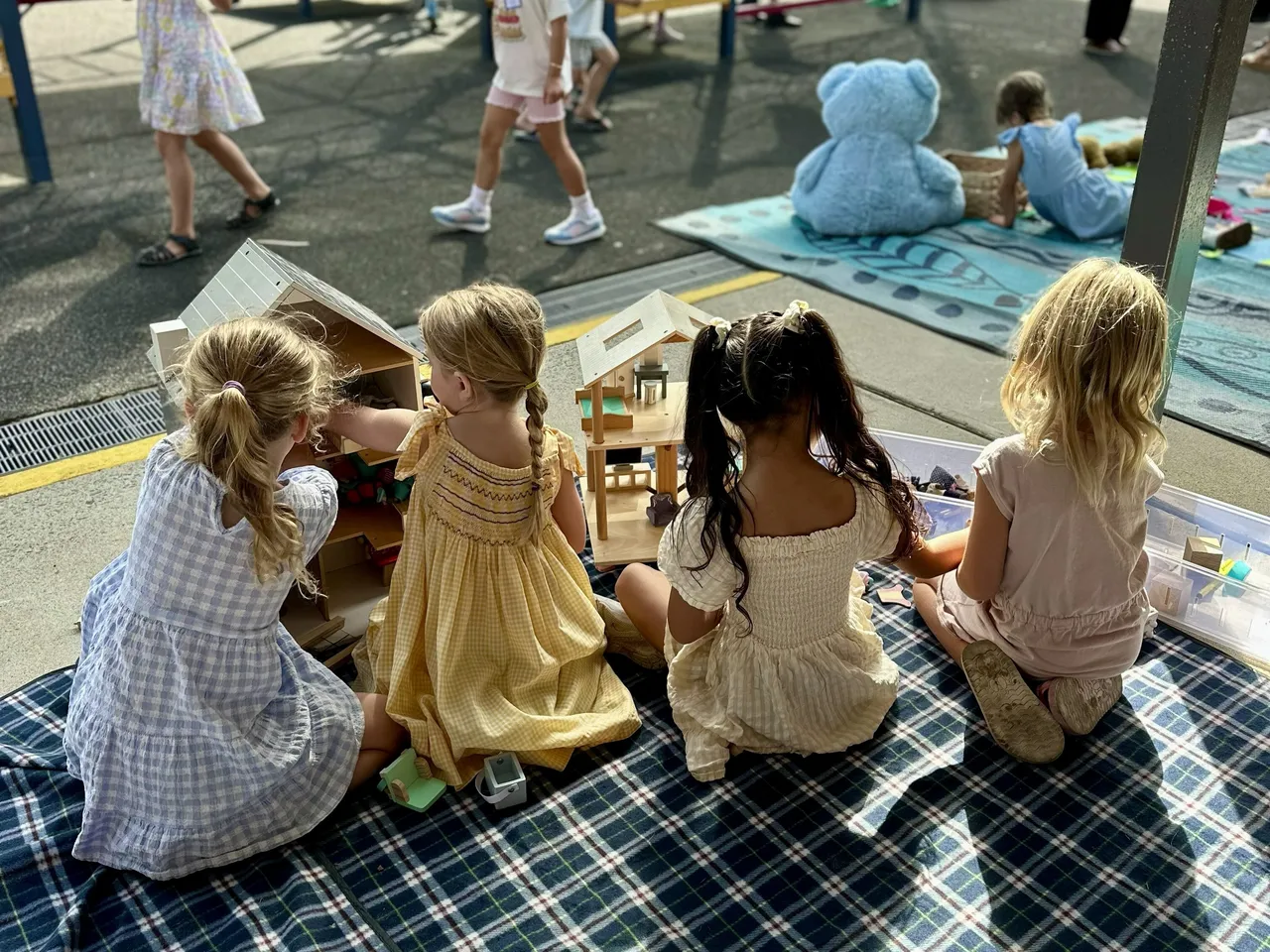
Play is the primary way young children make sense of the world. Through play, children naturally learn to communicate, cooperate, solve problems, and express themselves, whether they are building with blocks, drawing, engaging in imaginative games, or exploring outdoors.
Contemporary early learning frameworks highlight play-based learning as the most effective foundation for building independence and social confidence.
Through everyday play, children practise essential life skills, including:
- Taking turns and sharing
- Expressing ideas and listening to others
- Trying new and unfamiliar activities
- Collaborating with peers
- Developing self-reliance and confidence in new settings
These social skills aren't separate from learning; they are the bedrock of intellectual curiosity and emotional resilience.
At Bishop Druitt College, our Kindergarten program combines an inquiry-led, play-based approach that sparks curiosity while building confidence and school readiness in a nurturing setting.
Friendships Help Children Navigate Change
Meeting and making new friends is often one of the most exciting parts of starting school. Social connections give children a safe outlet to share experiences, learn empathy, and feel part of a team.
Spending time around peers before school starts helps make group environments feel familiar and welcoming. It allows children to practise:
- Joining in with group activities
- Playing cooperatively alongside others
- Listening to different perspectives
- Building trust and new friendships
- Feeling part of a wider community
Every child moves at their own pace; they don't need a pre-established friendship group on day one. Whether connections happen through preschool, community playgroups, or campus visits, the key is giving children positive opportunities to interact with peers.
Making New Environments Feel Familiar
To a four- or five-year-old, a school campus can feel huge. It's completely normal for children to wonder:
- What will my classroom look like?
- Who will my teacher be?
- Where do I play at recess?
- What happens during the day?
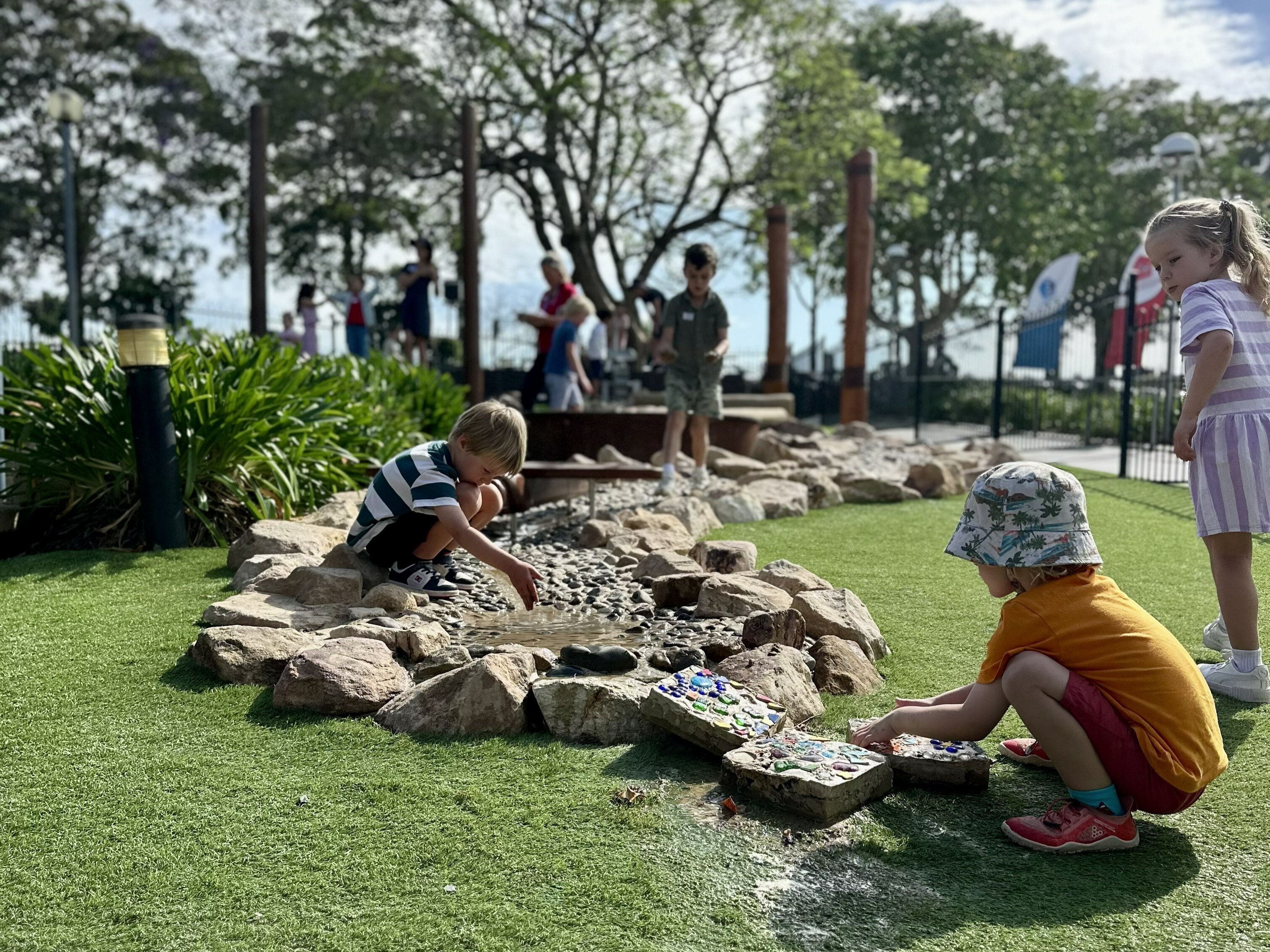
Early experiences help answer these questions naturally. Visiting the campus, exploring a classroom, and meeting educators remove the mystery and replace anxiety with anticipation.
Gradual familiarity transforms a giant, unknown space into a welcoming environment where children feel secure and eager to learn.
The Value of Playgroups Before Kindergarten
Playgroups offer a wonderful bridge between home and formal schooling for both children and parents.
BDC Playgroup welcomes babies, toddlers, and preschoolers, offering a warm space for play-based learning, socialisation, music, and movement.
For children, attending playgroup provides a gentle introduction to:
- Interacting with new peers and adults
- Trying structured group activities
- Becoming comfortable in different environments
- Building social confidence through guided play
For parents and carers, it offers a supportive community to share experiences, ask questions, and form lasting connections with other local families before the school journey officially begins.
Meeting Teachers and Exploring Learning Spaces
Children thrive when they can connect new places with friendly, familiar faces. Meeting educators prior to the start of term allows children to begin building trust with the adults who will be guiding them.
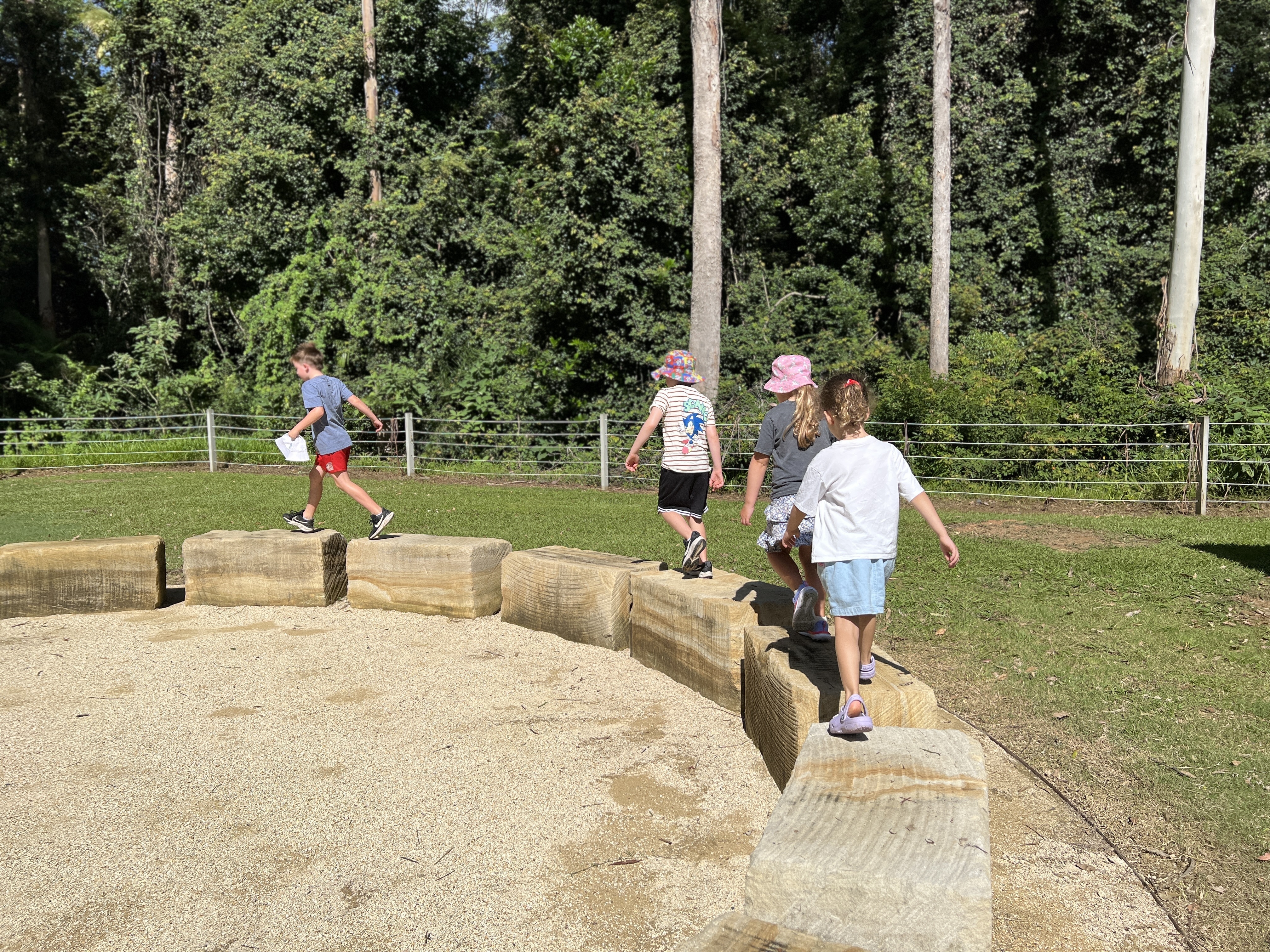
Bishop Druitt College’s Kindy Pop-In Day gives families a relaxed opportunity to explore classrooms, meet our dedicated early years staff, and experience our Kindergarten environment firsthand.
These visits aren't about formal lessons; they are designed to build comfort, curiosity, and excitement in a low-pressure setting.
Starting Kindergarten Is a Family Journey
The transition to school is a significant milestone for the whole family as routines shift and new chapters begin.
Open communication and strong relationships between home and school help parents feel just as supported as their children. Parents feel more confident when they have opportunities to:
- Connect with teachers and leadership staff
- Tour the campus and understand daily routines
- Meet other Kindergarten families
- Ask questions about transition steps and expectations
At BDC, our transition framework includes dedicated support from our Kindergarten Engagement Coordinator, alongside playgroups and orientation sessions, ensuring every family feels connected from day one.

Building Confidence Means Learning to Navigate Change
It’s completely natural for children to feel a mix of excitement and butterflies about starting school. Preparing for Kindergarten isn't about removing every unknown; it’s about helping children develop the adaptability to handle new situations.
Parents can support this growth by:
- Exploring new settings: Visiting different parks, libraries, or community events helps children adapt to new environments.
- Encouraging social play: Arranging playdates gives children regular practice with sharing and communication.
- Validating feelings: Talking openly about feelings lets children know that feeling both nervous and excited is completely normal.
- Fostering everyday independence: Encouraging simple routines at home, like packing a bag, opening lunch containers, and putting on shoes, builds real confidence.
How Play-Based Learning Supports Academic Success
A common misconception is that school readiness requires intensive academic prep beforehand. In reality, early learning is most effective when it taps into a child’s natural curiosity.
BDC’s Kindergarten program integrates foundational literacy and numeracy into play-based and inquiry-led experiences. Children develop critical thinking, problem-solving, and resilience through hands-on exploration.
At home, simple everyday activities provide rich learning opportunities:
- Reading stories together and discussing the pictures
- Drawing, painting, and crafting
- Building with blocks or recycled materials
- Playing outdoors and exploring nature
- Singing songs and playing rhythm games
- Involving children in daily family routines
Creating a Sense of Belonging
At the heart of every successful transition is a sense of belonging. Long before the first bell rings, small touchpoints help children feel that BDC is their school.
Recognising a classroom teacher, knowing where the playground is, or remembering a fun activity from a Kindy Pop-In session creates an immediate sense of connection.
When children feel they belong, they walk through the gates on their first day ready to learn, grow, and thrive.
Simple Ways Parents Can Support the Transition
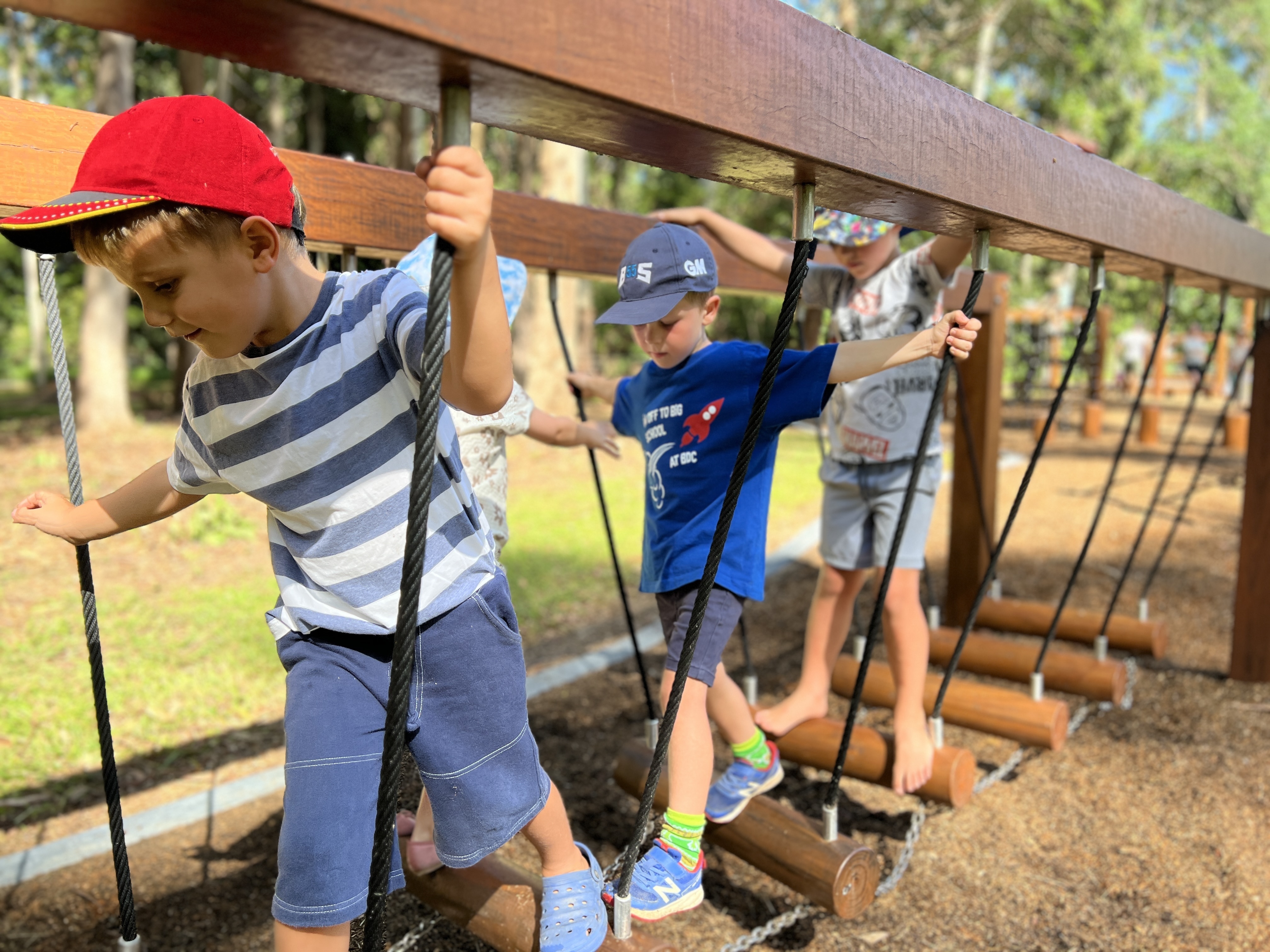
- Prioritise social play: Give your child opportunities to play, share, and communicate with peers.
- Visit the school: Take advantage of orientation events and campus visits to build familiarity.
- Join community activities: Programs like BDC Playgroup help children and parents connect early.
- Keep conversations positive: Talk openly about school and encourage your child's questions.
- Read together daily: Books about starting school help children process new routines and feelings.
- Encourage independence: Practice simple self-help skills like opening food wrappers and looking after belongings.
- Embrace your child's unique pace: Every child settles in differently—focus on progress, connection, and encouragement.
Frequently Asked Questions
Why is play-based learning important before Kindergarten?
Play-based learning develops essential social, emotional, and cognitive skills. It encourages problem-solving, communication, and independence in a natural, engaging way.
How do early social interactions help prepare children for school?
Playing with peers helps children practice sharing, turn-taking, and empathy, making group classroom settings feel familiar and comfortable.
Do children need to know how to read before starting Kindergarten?
No. School readiness focuses on social maturity, curiosity, independence, and communication. Foundational literacy skills are systematically taught as part of the Kindergarten curriculum.
How do school visits help before term begins?
Visiting classrooms and meeting teachers removes fear of the unknown, helping children feel secure and excited about their new learning spaces.
What are the benefits of attending a school playgroup?
Playgroups like BDC Playgroup allow children to become familiar with the campus and staff in a relaxed setting while giving parents an opportunity to connect with the school community.
How does Bishop Druitt College support new Kindergarten families?
BDC offers a comprehensive transition program including BDC Playgroup, Kindy Pop-In Days, orientation sessions, and direct guidance from our Kindergarten Engagement Coordinator.

As we all gather and stand upon Country, may we acknowledge and respect Gumbaynggirr Land and the thousands of years’ worth of both physical and spiritual connection to Country, culture and teachings embedded forever within these Lands.